The Honest Wardrobe Guide: What Every Woman Over 50 Actually Needs
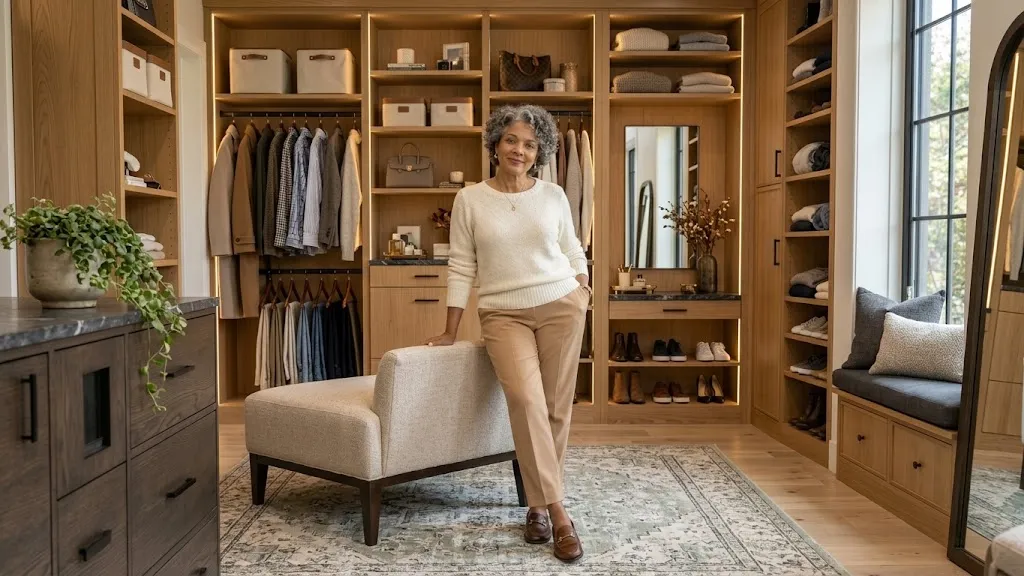
We’ve all stared at a packed closet and felt like we had absolutely zero to wear. Clothes stop fitting right, loved pieces look worn out, and chasing fresh styles often just adds to the daily headache instead of curing it.
If you are past your fifties, buying random new items won’t fix the problem. You really need reliable wardrobe essentials for women over 50 that make sense for your current days and help your other items slip on effortlessly.
You don’t have to wear head-to-toe tan or spend thousands starting over. You just need solid basics, handy layering pieces, shoes you can walk in, and a few smart additions.
That builds an honestly foolproof daily closet.
Real Closet Basics Need to Work Hard for You
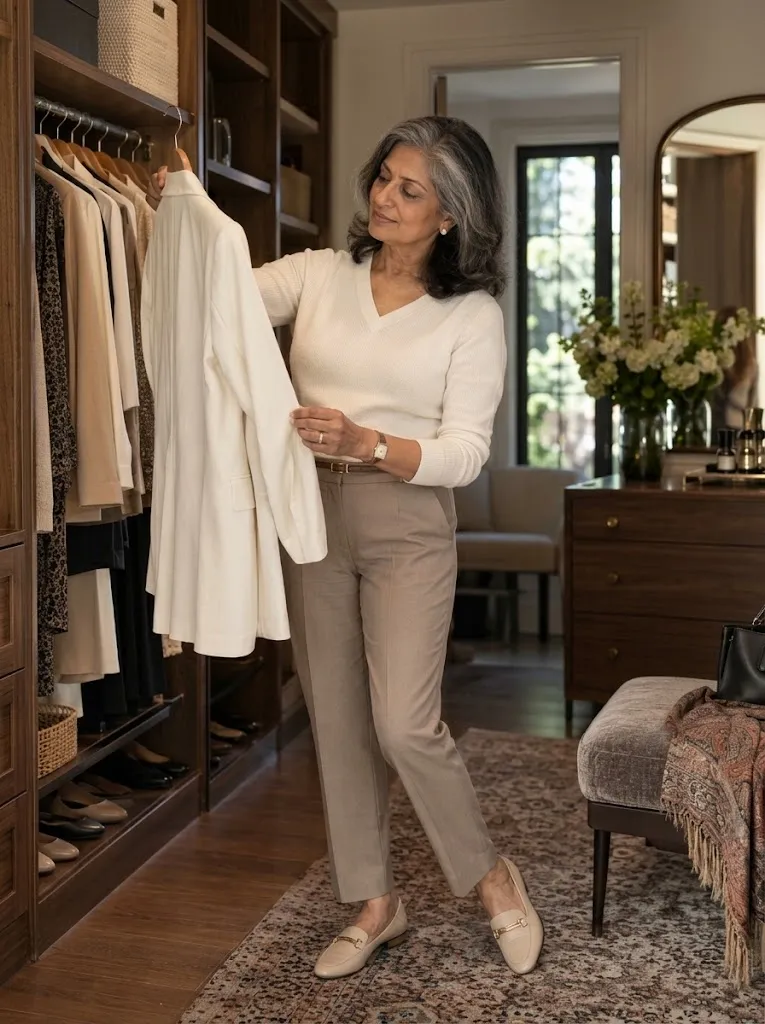
A true staple isn’t a piece a magazine says you must buy. It’s a garment you reach for constantly, style easily, and grab without stressing over how to make the rest work.
That difference is huge. A stunning silk top that demands a specific bra, one exact pair of pants, and perfect weather might look gorgeous, but it won’t actually help you get dressed.
The very best wardrobe essentials for women over 50 clear three easy bars: they fit your body today, mix with multiple items, and actually match your normal weekly plans.
Someone working from her dining room needs a totally different mix than a woman driving to an office. Your local weather, walking needs, weekend habits, and laundry patience all matter.
I use this simple checklist before hanging any new item in my closet.
| Core Item | What to Check For | What It Should Pair With |
|---|---|---|
| Daily top | Easy neck shape, neat shoulder seams, fabric that won’t stretch out | Denim, slacks, skirts, and jackets |
| Dark or mid-wash denim | Smooth fit around your waist and hips, without bulky bunching | Sweaters, blouses, blazers, and sneakers |
| Smart slacks | Softly draping material, a rise that doesn’t dig into you | T-shirts, knits, flat shoes, and coats |
| Handy jacket | Just enough space to slip a thin sweater under it | Dresses, jeans, dress pants, and skirts |
| Easy dress | Forgiving waist, smooth shoulders, works with a standard bra | Flats, boots, sandals, and jackets |
| Walkable shoes | Fits tight to the heel, a comfortable sole, an easy shade | Almost every daily outfit you wear |
Your specific items might differ. Their purpose never will.
Choose Tops That Highlight Your Face Without Fuss
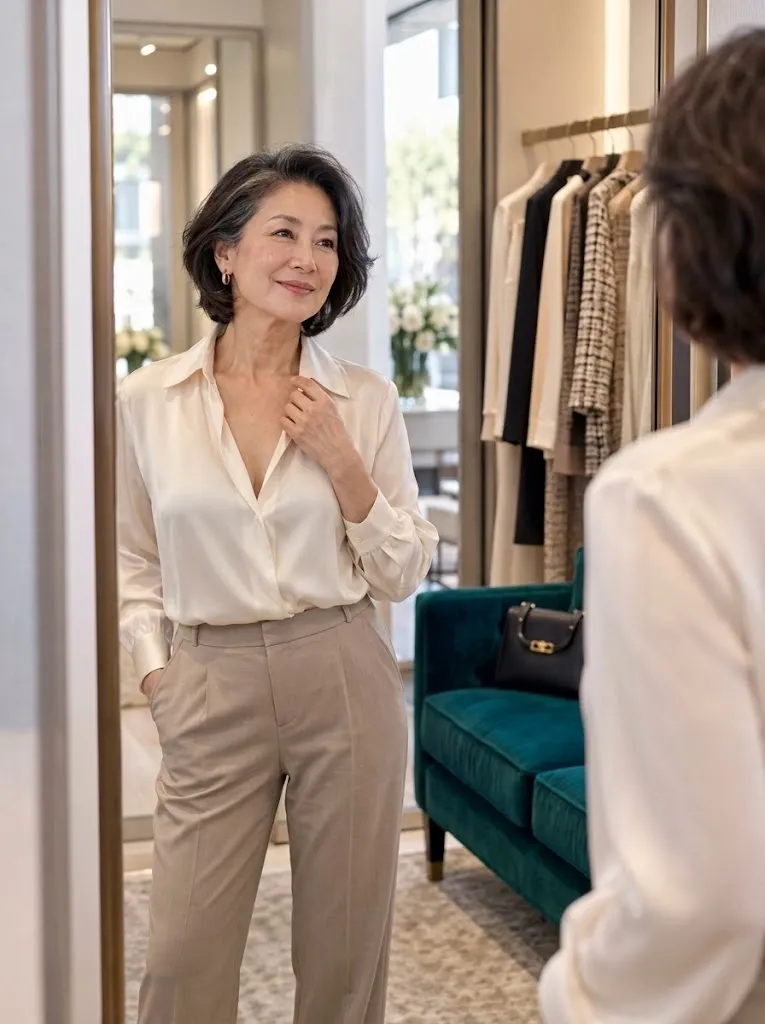
Your daily shirts shouldn’t demand safety pins, awkward tucking tricks, or endless mirror checks every time you put them on.
Begin with necklines that leave your face open and relaxed. Gentle V-necks, clean crews, boat necks, or soft scoop shapes are all really solid, flattering choices.
Balance is the secret here. If your shirt falls loosely, matching it with a straighter pant or jean stops the whole look from feeling completely boxy.
If you like wearing wider pants, a slightly closer-fitting sweater or a tucked-in blouse gives you that exact same balance.
The material counts just as much as the cut. Cotton blends, smooth knits, soft poplin, and fabrics with minor stretch hang much better than paper-thin, clingy jersey materials ever will.
A sharp button-down shirt helps immensely, but it doesn’t need to be stark white. Soft navy, pale olive, ivory, or a thin stripe might actually suit your closet better.
Fit tip: Check where the shoulder seam hits before reading the size tag. When shoulders line up, even a baggy shirt looks intentional and much more put together.
Pants and Denim Should Follow Your Lines, Not Fight Them
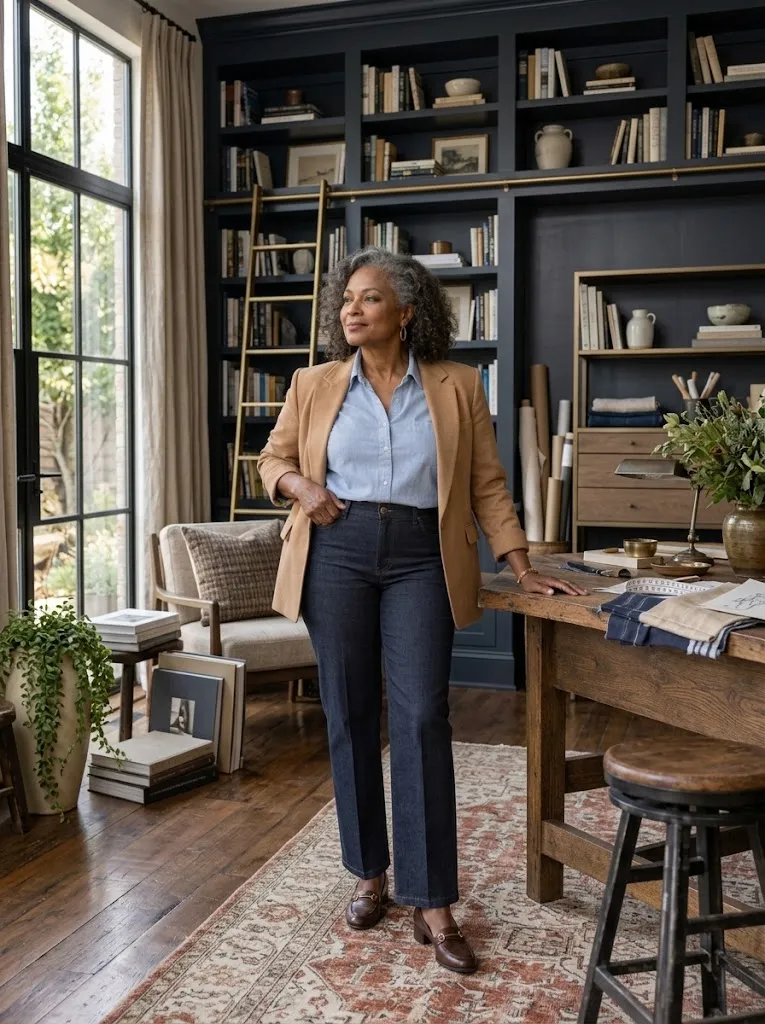
Most daily clothing struggles actually start down below.
You grab a sweater you adore, but your pants feel terribly tight across the middle, baggy in the legs, awkwardly short, or just totally unbearable by the time afternoon hits.
Please don’t give up on pants. You just need to be pickier about the waist height, the fabric, and the leg cut.
Straight-leg denim stays easy to match because it lands perfectly between tight and huge. A slightly wider leg works beautifully too, provided the waist sits flat and the bottom hits your shoes.
For dressier moments, seek out slacks that have enough weight to glide instead of grabbing. A flat-front pair or a gently pleated option both look great if the material flows.
Treat this list as a helpful guide, not a rigid rulebook.
| Pant or Material | What to Find and Why |
|---|---|
| Straight-leg jeans | Give yourself room around the knees so the fabric falls cleanly |
| Wide-leg slacks | Flowing fabric and a snug waist so the volume looks completely on purpose |
| Stretchy denim | Look for bounce-back stretch so knees won’t sag by three o’clock |
| Ponte pants | A mid-weight knit that feels soft but won’t look like workout leggings |
| Linen blends | A mixed fabric that holds some shape if wrinkled pure linen bothers you |
Always sit down before you buy pants. Bend over, pace around, and check the sides.
Your clothes must perform while you move through life, not just when you stand perfectly still in a mirror.
A Great Jacket Pulls a Simple Look Together
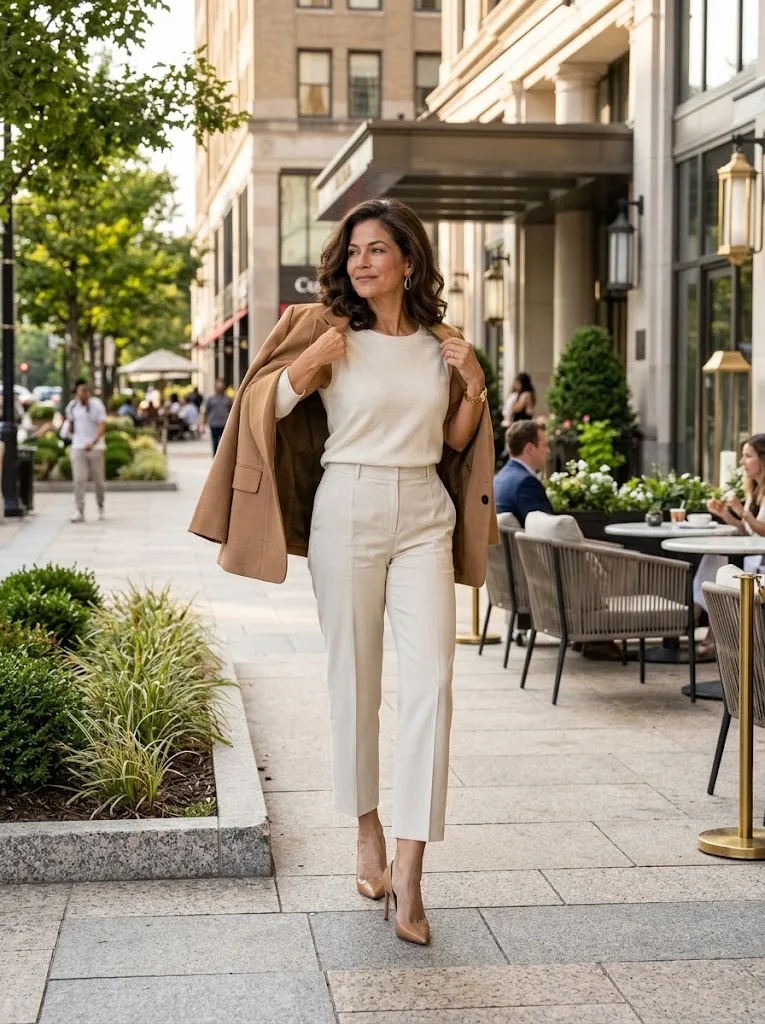
This step turns a working closet into a truly stylish one.
Adding an outer layer like a soft blazer, denim jacket, simple cardigan, or light trench gives plain shirts and pants instant structure. It draws long lines down your body, making any outfit feel calmer and fully thought out.
You don’t need a massive coat collection. Two or three jackets that fit your routine beat a stuffed closet of random heavy coats.
For example:
- A relaxed blazer pairs smoothly over jeans, simple dresses, slacks, and basic t-shirts.
- A tidy cardigan steps in when you need coziness without the stiff feeling of a suit.
- A utility or denim coat dresses down your nicer pants and dresses for weekend wear.
- A thin trench coat makes casual basics look sharp during those tricky changing seasons.
Always notice where the hem stops. A shorter jacket looks fantastic paired with wide pants or flowing skirts because it shows exactly where your waist is.
A longer cardigan or blazer naturally flatters narrower pants by drawing a long, neat line downward.
Comfort trick: If stiff blazers make you feel trapped, hunt for stretchy fabrics, unlined options, or knit materials rather than giving up completely.
Keep One Dress and Skirt That Need Zero Effort

A reliable dress pulls its weight by sorting out your top and bottom in one grab.
This shouldn’t be a fancy piece waiting for a rare party. You want something you can toss on for lunch dates, errands, family dinners, or office days just by swapping out your shoes and throwing on a jacket.
Easy knit dresses, simple shirt dresses, soft A-line cuts, and relaxed mid-length styles are fantastic starting points. Find a material that swings instead of grabbing, and pick a neck that hides your everyday bra.
That same logic applies to your skirts. A flowing A-line, straight mid-length, or softly pleated skirt instantly makes your plain tees and sweaters work harder.
If skirts always feel impossible to style, your shoes might actually be the real issue.
A mid-length skirt paired with a heavy shoe often looks clunky. Changing to a neat sneaker, pointed flat, simple loafer, or low boot can entirely fix how the outfit sits.
Quick swap: If your dress seems overly dressy, tone it down with plain sneakers and a jean jacket. If it feels too lazy, slide into neat loafers or block heels and add a crisp blazer.
Your Comfy Shoes Must Play Nice With Your Pants
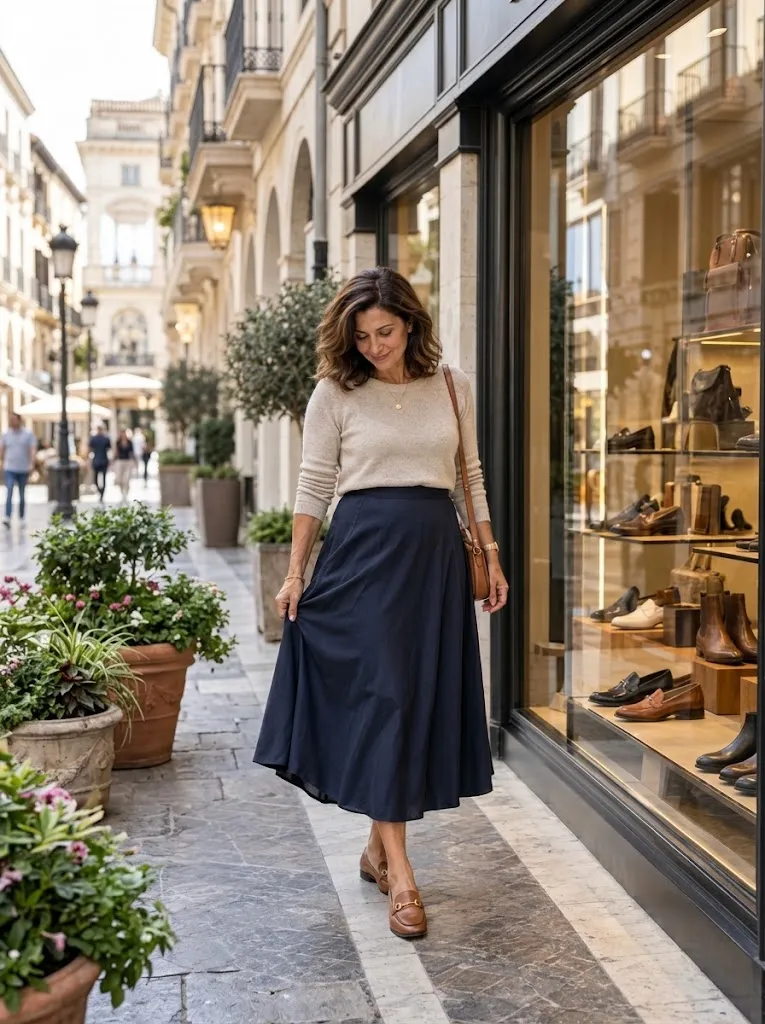
We often treat footwear like an afterthought. Yet honestly, your feet usually dictate if an outfit ever leaves the house.
If a heel pinches, rubs your heel, or feels shaky on pavement, you won’t get your money out of it—even if it looks stunning on the shelf.
A smart closet generally requires a few casual, dressy, and weather-ready pairs rather than twenty almost-identical black flats.
A crisp white sneaker handles flight days, grocery runs, and easy weekends. A smart loafer or sleek flat takes care of looks that demand a sharper touch.
Short boots carry your jeans, slacks, and dresses straight through the chilly months. Summer closets often rely heavier on a low wedge or a clean, simple sandal.
Think outside the basic color box, too. Black is handy, but it isn’t always the easiest neutral shade.
Cream, taupe, navy, warm brown, deep red, or metallic tones often merge much better with the clothing you own.
You don’t need a specific shoe for every single outfit you own. You just need enough versatile pairs so your nice clothes don’t collect dust simply because your ankles look weird in them.
Simple Extras Stop Your Basics From Looking Flat

Wearing simple clothes doesn’t mean your style looks boring.
A great belt, a silk scarf, fun earrings, a neat watch, or a structured handbag can completely lift a plain outfit without adding closet bulk.
The real secret is picking add-ons that fit your personality.
Someone who prefers calm outfits might lean on a gorgeous leather purse and bold earrings. If you love brightness, wear neutral clothes and let your scarves, jewelry, or shoes bring the fun.
Belts do help, but nobody is forcing you to wear them. Put one on to show off your waist or cut a long outfit in half, not because a magazine said you had to.
Jewelry works the exact same way. A basic look usually pops more with one standout item than with five pieces fighting.
Color trick: If your closet feels scattered, echo one signature color across your bags, shoes, or scarves. That tiny echo tricks the eye into thinking all your separate pieces match perfectly.
Plan Your Wardrobe Around Three Go-To Outfit Recipes
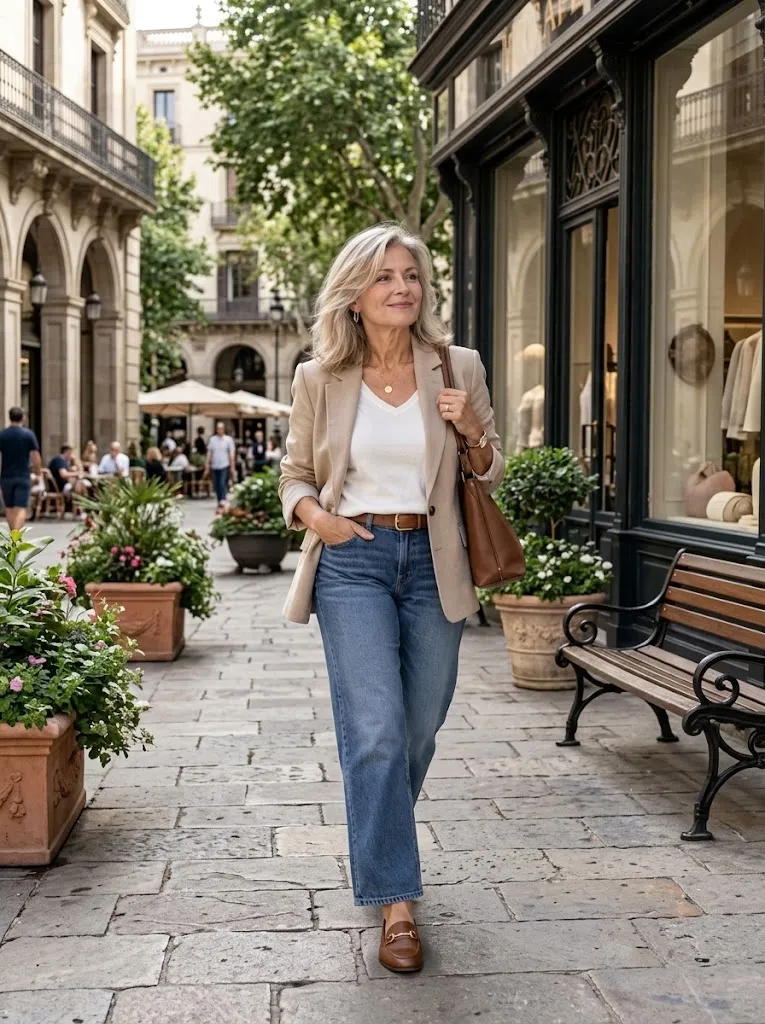
A smart capsule wardrobe for your fifties doesn’t mean trapping yourself in ten khaki items.
It simply means identifying combinations that look so good you can throw them on during a rushed morning without thinking twice.
Before you hit the stores, check what you wear most weeks. Your favorite uniform is likely already there.
Maybe you love straight denim paired with a sweater and coat. Maybe wide slacks and a tight shirt work best. Maybe a dress just feels like you.
These simple recipes prove that a compact collection of clothing can handle completely different days.
| Where You Are Going | Quick Outfit Recipe | Why This Works So Well |
|---|---|---|
| Running errands or traveling | Straight jeans + soft tee + utility coat + sneakers | It is cozy, nicely layered, and easy to walk in |
| Lunch dates with friends | Flowy slacks + relaxed blouse + loafers + nice earrings | Comfortable items that have enough shape to look put together |
| Dressy but casual events | Mid-length dress + blazer + flat shoe or low heel | One main piece combined with a quick change in layers |
| Daily polished routine | Dark denim + thin sweater + blazer + short boots | Trusted basics topped off with a much sharper jacket layer |
Begin with the outfit recipe you wear constantly.
Next, spot the missing puzzle piece. Maybe those jeans pinch too much, you lack a flattering jacket, or your current shoes drag the whole look down too casually.
That exact gap is what you buy next.
Shopping this way helps so much more than buying trendy outfits for women over 50 just because an influencer posted them.
You get your money’s worth easily when every new piece matches items already sitting home.
Questions Readers Ask Most Often
How many items should a woman over 50 own?
There isn’t a magic number here. A working closet holds enough to match your actual life, but stays small enough that you can easily spot and wear your favorite things.
A woman attending weekly business lunches will naturally require more options than someone enjoying a quiet, retired routine.
Which clothes make a woman over 50 look deeply put-together?
How clothes fit matters far more than how fancy they are. Neat pants, perfect shoulders, scuff-free shoes, smart lengths, and one sharp layer make very plain outfits look expensive.
That sharp layer could be a crisp shirt, a firm bag, or a neat blazer.
Should women over 50 avoid wearing new trends?
Absolutely no style comes with an age limit attached. The real question is whether that trend fits your true personality, your lifestyle, and your current closet.
You can easily make new fads feel grounded by mixing one modern piece with your trusted daily basics.
Which exact colors belong in a closet for your fifties?
Hold onto quiet neutrals that play nicely with your beloved brights, rather than just buying black. Navy, soft cream, warm camel, olive, gray, and brown build incredibly solid foundations for dressing.
After that, simply add the brighter shades that make your face glow.
How do I spot clothing that justifies a higher price tag?
Spend your budget on things you put on daily and where good fabric makes a massive difference. Coats, boots, slacks, and a sturdy purse get used far more than a fancy wedding guest dress.
The total cost means nothing compared to how many times you wear it.